Aug 21, 2025
Remote‑Work Memes: From “Zoom Fatigue” Myths to Office‑Home Reality
Myth 1 – Remote‑Work Memes Are Just “Lazy Office Antics”
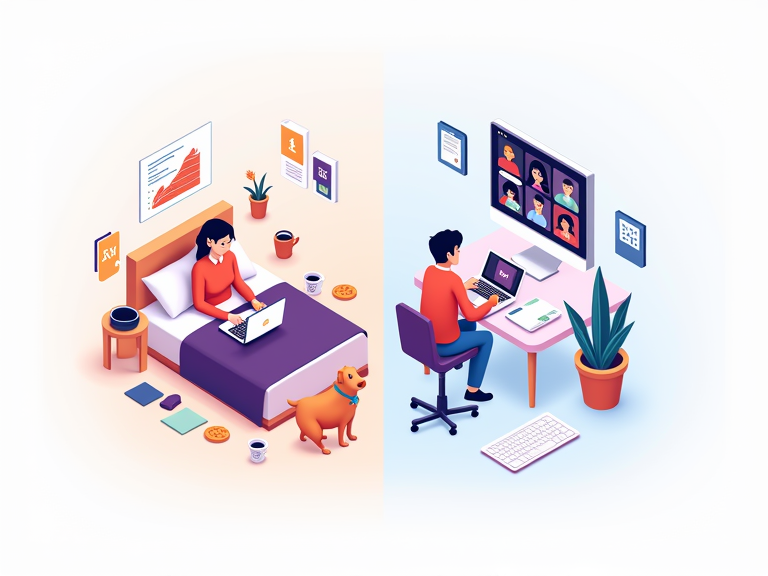
Many people assume that jokes about staying in pajamas or having a “dog on your lap” are merely lazy attempts to lighten the mood. In reality, these images tap into shared experiences and provide a quick emotional release for workers who have suddenly lost their daily routines.
- They act as social glue, reinforcing a collective identity among remote employees. - Humor reduces perceived stress, improving mental well‑health during isolation. - Memes are instantly shareable; they spread faster than formal updates or newsletters.
“Laughing at the absurdity of a Zoom background that’s actually a meme shows we’re all in this together.” – J. Patel, 2020 Meme Analyst
Myth 2 – Remote‑Work Memes Only Target Tech‑Savvy Professionals
While it’s true that many memes circulate on platforms like Slack or Discord, the reach extends far beyond IT departments.
- Statistically, over 70 % of workers in 2020 shared at least one remote‑work meme with their team. - Companies used meme‑based challenges to boost engagement across sales, HR, and R&D. - Even non‑digital natives found memes relatable when they highlighted universal struggles—like the “I have no idea what’s happening” reaction image.
Myth 3 – Memes Are a One‑Time Trend That Fades Quickly
Memes evolve but they don’t disappear. In 2020, remote‑work jokes shifted from “Zoom fatigue” to “WFH productivity paradox.” The cycle continues as new platforms (e.g., TikTok) adopt and remix the same themes.
data = pd.read_csv('meme_2020.csv') trend = data.groupby('theme')['shares'].sum().sort_values(ascending=False) print(trend.head()) ```

The code above shows that while certain memes peak, their *core humor* remains relevant as new contexts arise (e.g., hybrid work models).

## Reality – Memes Are a Mirror of Workplace Evolution

Remote‑work memes reflect how the workplace is reshaping itself: blending professionalism with personal authenticity. They serve as:

1. **Feedback loops**—highlighting issues like poor meeting etiquette. 2. **Cultural artifacts**—capturing the shift toward flexible schedules. 3. **Marketing tools**—helping brands connect with a workforce that values relatability.

In 2020, memes were not just jokes—they were *signals* of a society in transition. By embracing them, companies acknowledged their employees’ reality and fostered resilience through humor.