Apr 20, 2025
The Great Meme Divide How COVID-19 Humor Brought Us Together and Tore Us Apart
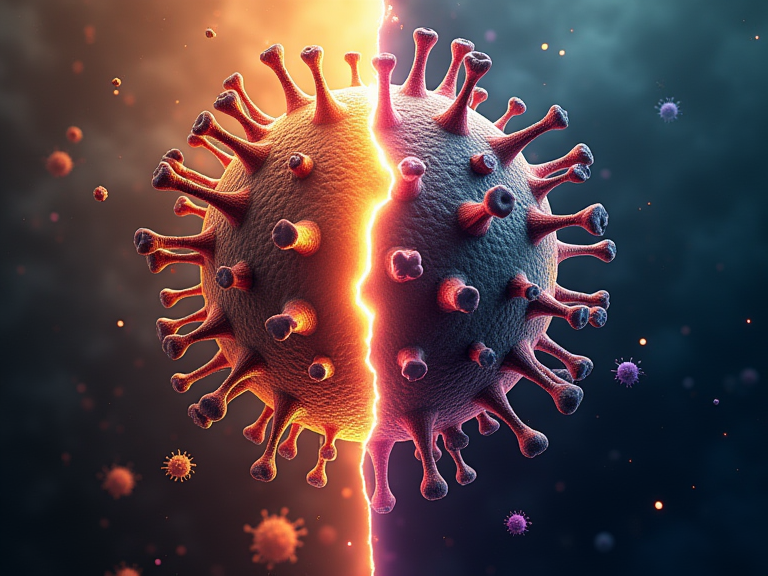
The Birth of a New Meme Culture
The COVID-19 pandemic has undeniably changed our lives in countless ways, and one of the most unexpected consequences has been the explosion of meme culture. As we navigated lockdowns, social distancing, and the new normal, we turned to humor as a coping mechanism. Memes became a universal language, transcending borders and bringing people together in shared laughter.
From "I can't breathe" memes to "Quarantine and chill" jokes, we saw an outpouring of creativity and wit. These memes served as a form of social commentary, allowing us to process the absurdity of our new reality. They were a way to connect with others, to express our frustrations, and to find solace in the collective experience of the pandemic.
The Dark Side of COVID-19 Memes
However, as with any form of communication, memes can also be a double-edged sword. While they have the power to unify, they can also divide. The pandemic has been a polarizing time, with differing opinions on everything from public health measures to political responses. Memes, which are often subjective and open to interpretation, can sometimes amplify these divisions.
Consider the "Karen" meme, which has been used to mock people who refuse to wear masks or follow social distancing guidelines. While some find these memes hilarious and empowering, others see them as mean-spirited and divisive. The line between humor and harassment can be thin, and what one person finds funny, another might find offensive or hurtful.
Navigating the Meme Landscape
So, how do we navigate this complex landscape? The key lies in understanding the context and intent behind the memes we create and share. Humor is a powerful tool, but it should be used responsibly. We should strive to uplift rather than tear down, to connect rather than divide.
One way to do this is by focusing on the universal aspects of the pandemic experience. Memes that highlight our shared struggles, like the "Zoom fatigue" memes or the "Quarantine hair" jokes, can bring us together in laughter and understanding. These memes acknowledge our collective experiences and validate our feelings, fostering a sense of community and belonging.
The Power of Positive Meme Culture
Moreover, we can use memes to promote positive behaviors and encourage others to follow public health guidelines. Memes that celebrate heroes, like healthcare workers and essential workers, can inspire and motivate us. They can remind us of the good in the world and the strength of the human spirit.
For example, the "Clap for Carers" memes that emerged during the pandemic were a heartwarming way to honor and support our healthcare workers. These memes brought people together in gratitude and solidarity, reminding us of our shared humanity.
Conclusion
In conclusion, COVID-19 meme culture is a complex and nuanced phenomenon. It has the power to unify and divide, to uplift and tear down. As we continue to navigate the pandemic and its aftermath, let us remember the power of humor and the responsibility that comes with it. Let us choose our memes wisely, fostering a culture of kindness, understanding, and community.
After all, laughter is a universal language, and in these challenging times, we need all the connection and comfort we can get. So, let's laugh together, learn from each other, and grow as a community. Because at the end of the day, we're all in this together.