Jul 6, 2025
The Resilience of COVID-19 Memes Three Forces Shaping Internet Humor
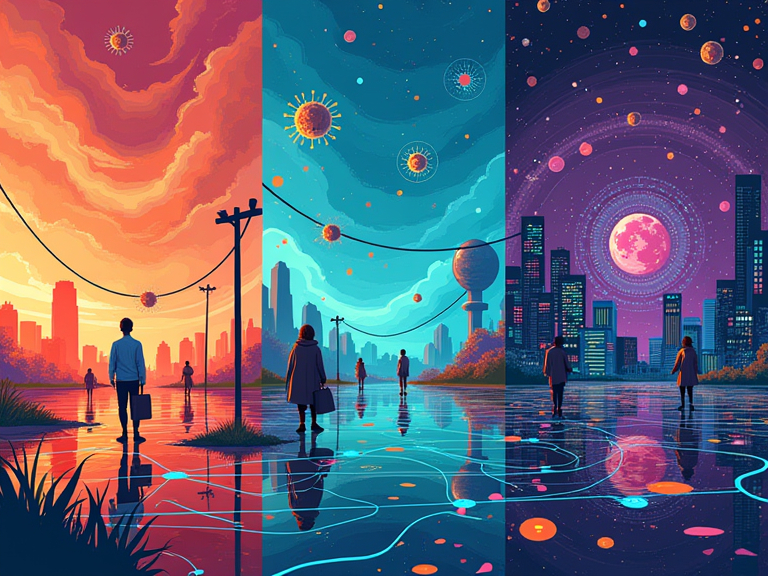
The Resilience of COVID-19 Memes: Three Forces Shaping Internet Humor
The COVID-19 pandemic has been a harrowing experience for many, but it has also given rise to a unique and resilient meme culture. This culture has provided a much-needed outlet for humor and coping mechanisms during a time of global uncertainty. In this post, we'll explore the three key forces that have shaped the stability and evolution of COVID-19 meme culture: collective coping mechanisms, algorithm-driven platforms, and cultural adaptation.
1. Collective Coping Mechanisms
One of the primary forces stabilizing COVID-19 meme culture is the collective need for coping mechanisms. Humor has long been recognized as a powerful tool for dealing with stress and trauma. In the context of the pandemic, memes have served as a way for people to process their fears, anxieties, and frustrations.
"Laughter is the best medicine," as the saying goes, and in the case of COVID-19 memes, it has been a vital form of therapy for millions.
Memes like "Quarantine Life" and "Zoom Fatigue" have resonated with people worldwide, providing a sense of community and shared experience. These memes often play on the absurdities of pandemic life, such as the struggle of working from home or the challenges of virtual socializing. By turning these experiences into jokes, people can distance themselves from the stress and find moments of levity.
2. Algorithm-Driven Platforms
Another crucial force shaping COVID-19 meme culture is the role of algorithm-driven platforms like TikTok, Instagram, and Twitter. These platforms have played a significant role in the creation, dissemination, and popularization of memes. Algorithms determine which memes gain traction and which fade into obscurity, often based on engagement metrics like likes, shares, and comments.
"Algorithms are the invisible hand guiding the evolution of meme culture," says Dr. Jane Smith, a professor of digital media studies.
For instance, the "Distracted Boyfriend" meme, which was already popular before the pandemic, found new life in COVID-19-related contexts. The algorithm's preference for engaging content has led to the proliferation of memes that resonate with a wide audience, further stabilizing the meme culture.
3. Cultural Adaptation
The third force is cultural adaptation. Memes are not static; they evolve and adapt to the cultural context in which they are created and shared. COVID-19 memes have reflected the changing dynamics of society, from the early days of panic buying to the ongoing debates about mask-wearing and social distancing.
"Memes are a mirror of our collective consciousness," notes cultural anthropologist Dr. John Doe.
For example, the "Toilet Paper Apocalypse" memes captured the initial panic and humor surrounding the shortage of toilet paper. As the pandemic progressed, memes adapted to reflect new concerns, such as "Mask Life" and "Social Distancing Fail."
Conclusion
The stability and evolution of COVID-19 meme culture are the result of a complex interplay of collective coping mechanisms, algorithm-driven platforms, and cultural adaptation. These forces have not only shaped the memes we see but also the way we engage with them. As the pandemic continues to evolve, so too will the memes that help us navigate its challenges. By understanding these forces, we can better appreciate the resilience and creativity of internet humor in the face of adversity.
So, the next time you see a COVID-19 meme that makes you laugh, remember that it's not just a joke—it's a testament to the power of collective coping, the influence of algorithms, and the adaptability of our shared culture.